
Virtual Staging for Portland Real Estate: When It Sells the Home (And When It Hurts the Listing)
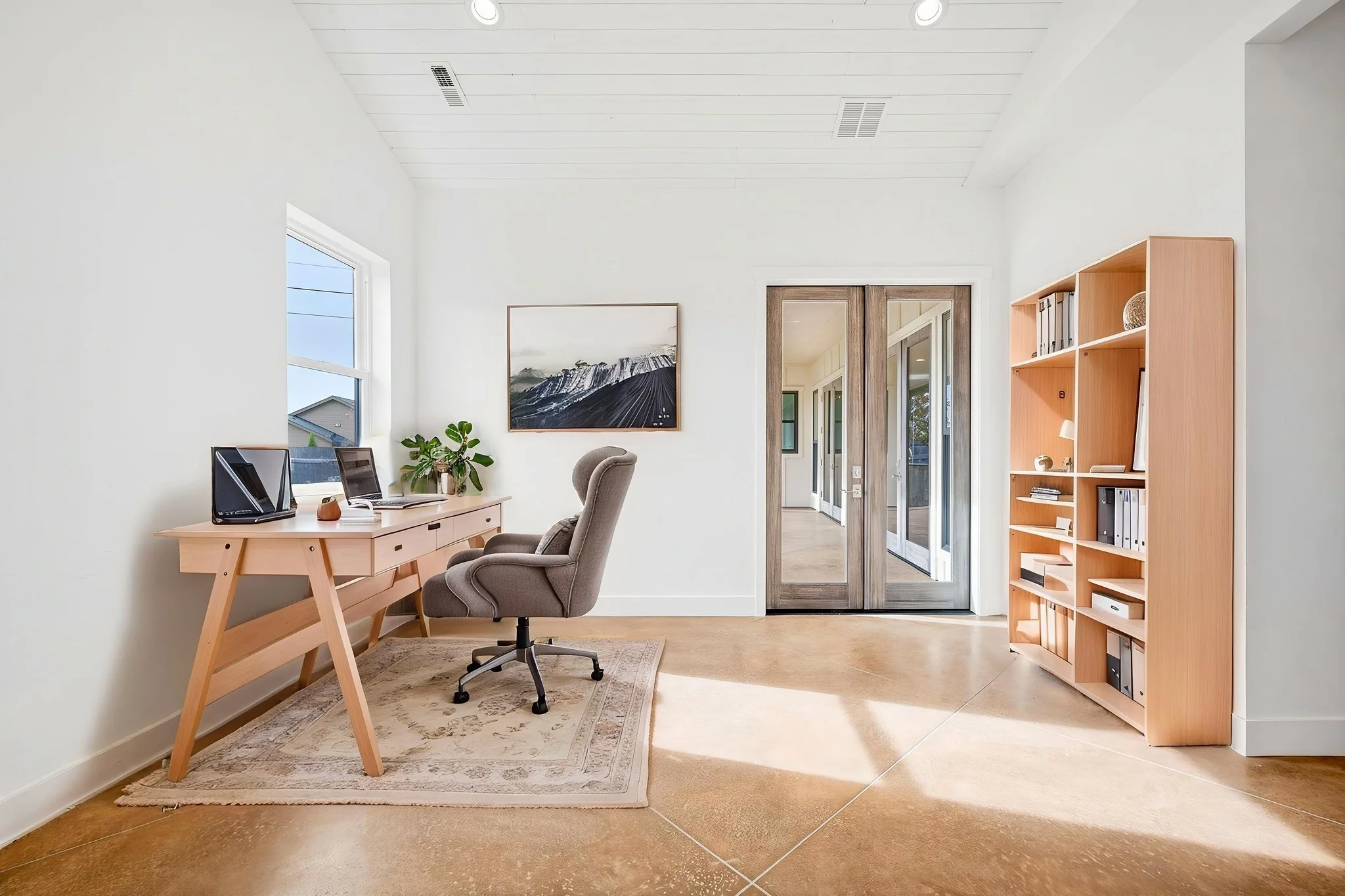
There's a moment when an empty room photographs honestly. Flat light bouncing off bare walls. Scuff marks where furniture used to live. The room looking back at itself in the window. Buyers see that photo, try to picture themselves inside it, and most can't.
So they scroll past.
That's the gap virtual staging fills — and in a Portland market where 97% of buyers start their search online and a meaningful share are scrolling from out of state, that gap costs real money. But like every powerful marketing tool, virtual staging works best when used with intention. Here's an honest breakdown of when it genuinely sells a Portland home — and when it quietly works against the listing.
What Virtual Staging Actually Does
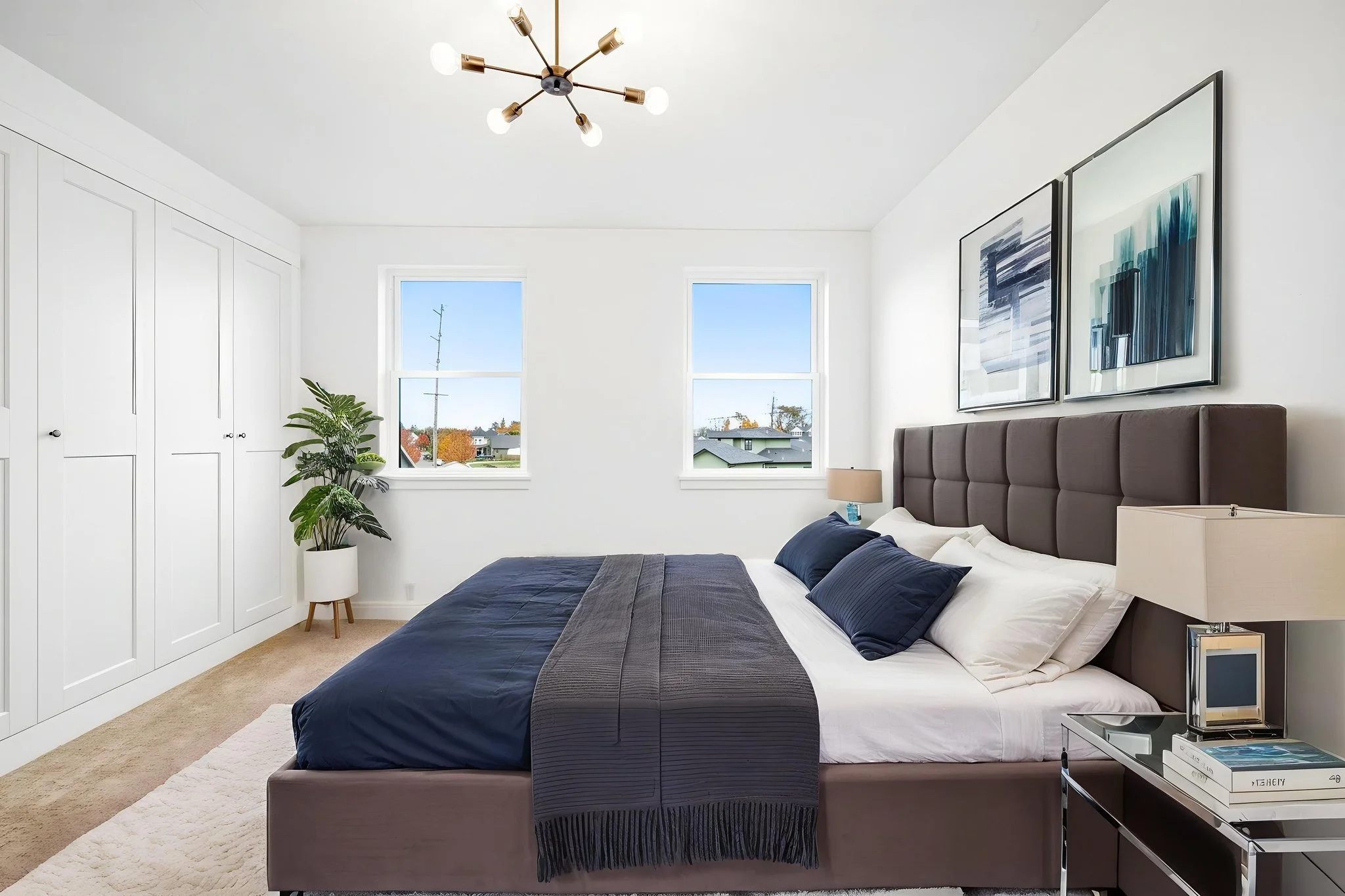
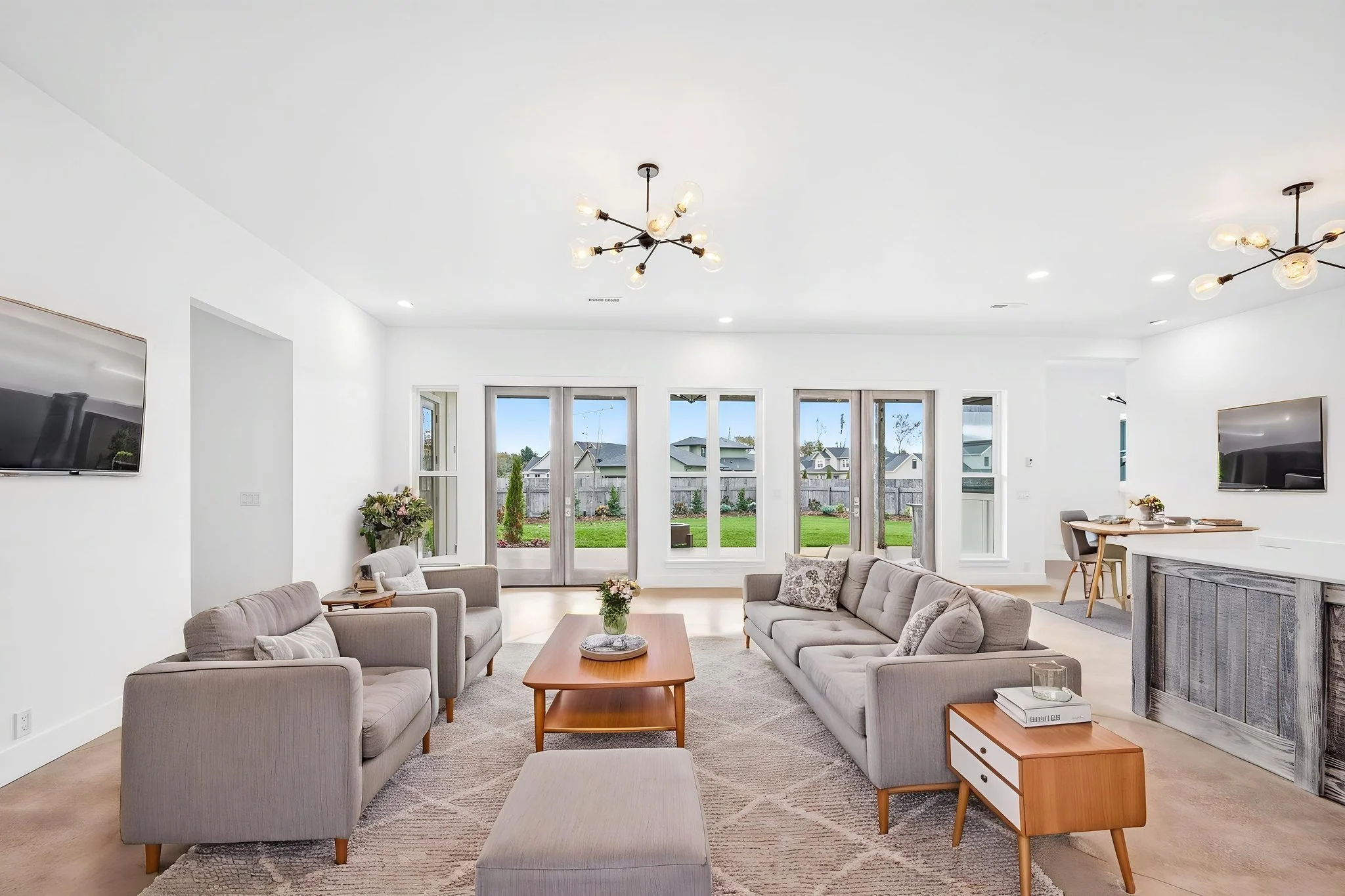
Virtual staging takes a photograph of an empty room and digitally adds furniture, art, rugs, and styling. Not a filter. Not a sketch. A photoreal render baked into the image, indistinguishable from a real shoot when it's done well.
The job it does for a listing is specific: it gives buyers scale and use. A 12x14 living room that looks like a hallway when empty suddenly reads as a comfortable family space. A bonus room becomes a clear home office. A breakfast nook turns into the spot you'd actually drink coffee. Buyers stop scrolling because they can finally see themselves there.
It's especially well-suited to Portland listings. Our rainy-season interior light flattens empty rooms in a way agents in Phoenix or Austin don't have to fight. Many of our buyers are searching from California or out of state, deciding on a phone in seconds. And styles that photograph beautifully here — mid-century modern, Scandinavian, PNW rustic — are exactly the looks that virtual staging libraries do best.
When Virtual Staging Is Worth It
1. The Home Is Vacant and Photographs Flat
Empty rooms photograph poorly. Without furniture to give the eye somewhere to land, even a beautiful space reads as smaller, darker, and less specific than it is. Virtual staging restores scale and warmth — and on a vacant listing, it's often the single highest-leverage marketing dollar an agent can spend. (One Sotheby's-cited study found virtually staged homes sold for 6–10% more than unstaged comps, with average days on market dropping from 90 to 24.)
2. The Floor Plan Is Unusual, Open, or Hard to Read
Bonus rooms, finished basements, lofts, oddly shaped great rooms — anywhere a buyer would have to ask "wait, what is this room for?" is where virtual staging earns its place. Show the buyer a use, and you've removed the friction that makes them keep scrolling.
3. The Listing Is Going Live Online-First
If most of your buyers will see this home on a phone before they ever set foot in it, the photos are the listing. Virtual staging meets buyers in the medium they're actually using and helps the listing punch above its weight in the RMLS scroll, on Zillow, and in social previews.
4. The Budget Won't Stretch to Full Physical Staging
Whole-home physical staging in Portland routinely runs $3,000–$10,000+ over a 30–60 day rental. Virtual staging covers the same online window for a fraction of the cost, which is why so many agents use it for the bulk of a listing — and reserve physical staging only for one or two rooms that matter most during in-person showings.
5. You Need to Move Fast
Physical stagers book out. Furniture rentals have lead times. Virtual staging turns around in 24–48 hours, which matters when a seller wants to be on market for the weekend or when a fall closing window is tightening.
When Virtual Staging Falls Flat
This is the part most virtual staging providers won't tell you. Sometimes it's the wrong call.
1. The Empty Reality Will Disappoint at the Showing
If buyers fall in love with a virtually staged living room and then walk into a hollow, echoing space that feels half the size, you've created a frustration buyers remember. Use virtual staging to clarify the space — not to paper over the experience of standing in it. The in-person walkthrough has to deliver on the promise the photos made.
2. The Listing Is Over $1M and Will Sell at the Showing
Above a certain price point, the photos get the buyer in the door — and then physical staging closes the deal. For luxury Portland listings in places like Dunthorpe, the West Hills, or higher-end Lake Oswego, the in-person experience is doing most of the selling work, and a furnished walkthrough is hard to replicate digitally. Virtual-only often isn't enough.
3. The Underlying Photography Is Weak
Virtual staging is a layer on top of a real photograph. If the base photo is poorly composed, badly lit, or shot at a strange angle, the digital furniture will look exactly like what it is — pasted in. Garbage in, garbage out. The fix is professional photography first, staging second.
4. You'd Be Hiding Flaws, Not Showcasing Space
Removing a permanent structure, brightening a dark room past what's actually possible, swapping flooring that's still in place — these are the edits that get agents in trouble (and that, in some markets, run afoul of MLS rules). The line is simple: virtual staging is honest when it answers how could this room be used? and dishonest when it answers how could this room look different than it actually is?
The Strategic Question to Ask
Before adding virtual staging to a listing, the question isn't can we afford it — at $30–$100 a photo, almost every listing can. The real question is:
"Is virtual staging here helping buyers picture themselves in this home, or making the home look like something it isn't?"
If it's the first, you're using it the way it was meant to be used — and you're likely getting more clicks, more saved listings, and more showings as a result. If it's the second, you may be borrowing trouble. Buyers feel misled quickly, and a listing that disappoints in person is harder to sell than one that started honest.
Final Thoughts
Virtual staging earns its place in Portland marketing when it bridges the gap between an empty room and a buyer's imagination. It loses its place when it bridges the gap between what the home is and what it isn't.
For most vacant listings under $1M in our market, it's one of the highest-ROI tools an agent has. For luxury listings, it's a complement to physical staging — not a replacement. And for any listing, it only works as well as the photography underneath it.
If you've got a vacant Portland listing coming up and want to talk through whether virtual staging is the right fit — or whether you'd be better served by a different mix of media — we're happy to walk through the property and the strategy. Real estate marketing isn't one-size-fits-all, and the goal is always the same: get the right buyers through the door, faster.
PDX Real Estate Media is a Portland-based real estate photography and media studio working with agents across the metro area on photography, drone, twilight, video, 3D tours, and virtual staging.
