
West Hills Real Estate Photography: What Portland's Hillside Listings Actually Need
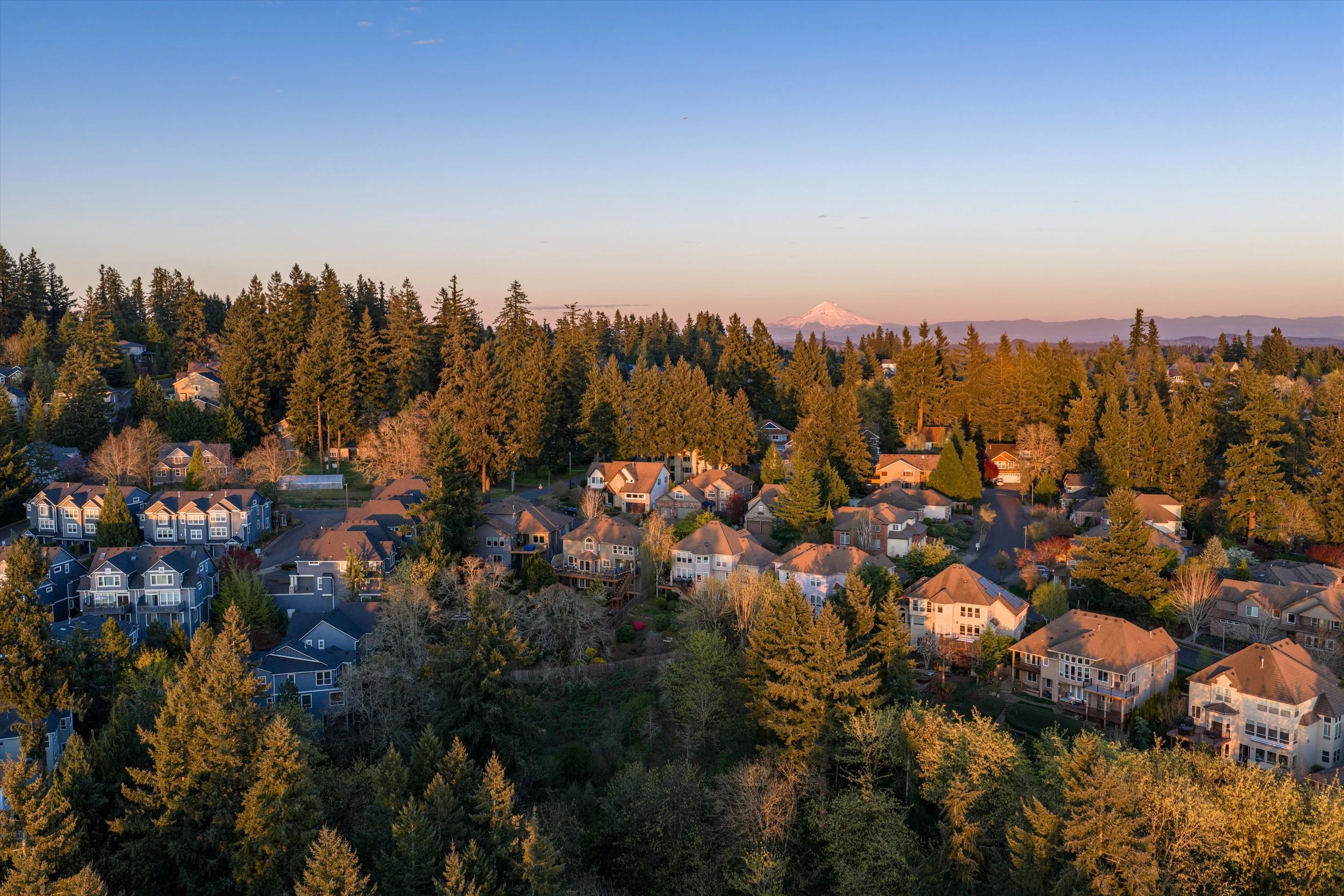
There's a particular hour in the West Hills in July. The afternoon heat lets go, the light goes long and gold, and the city below starts to switch on through the gaps in the Douglas firs. Stand on the right deck off Fairmount or up above Council Crest and you can see the whole valley catch fire. That view is why people buy up here. It is also the single hardest thing to get right in a photograph. West Hills listings are not like flat lots on the eastside, and the media that sells them has to account for the hill, the trees, and the light. Here's how we think about it.
What a West Hills Listing Actually Asks of a Camera
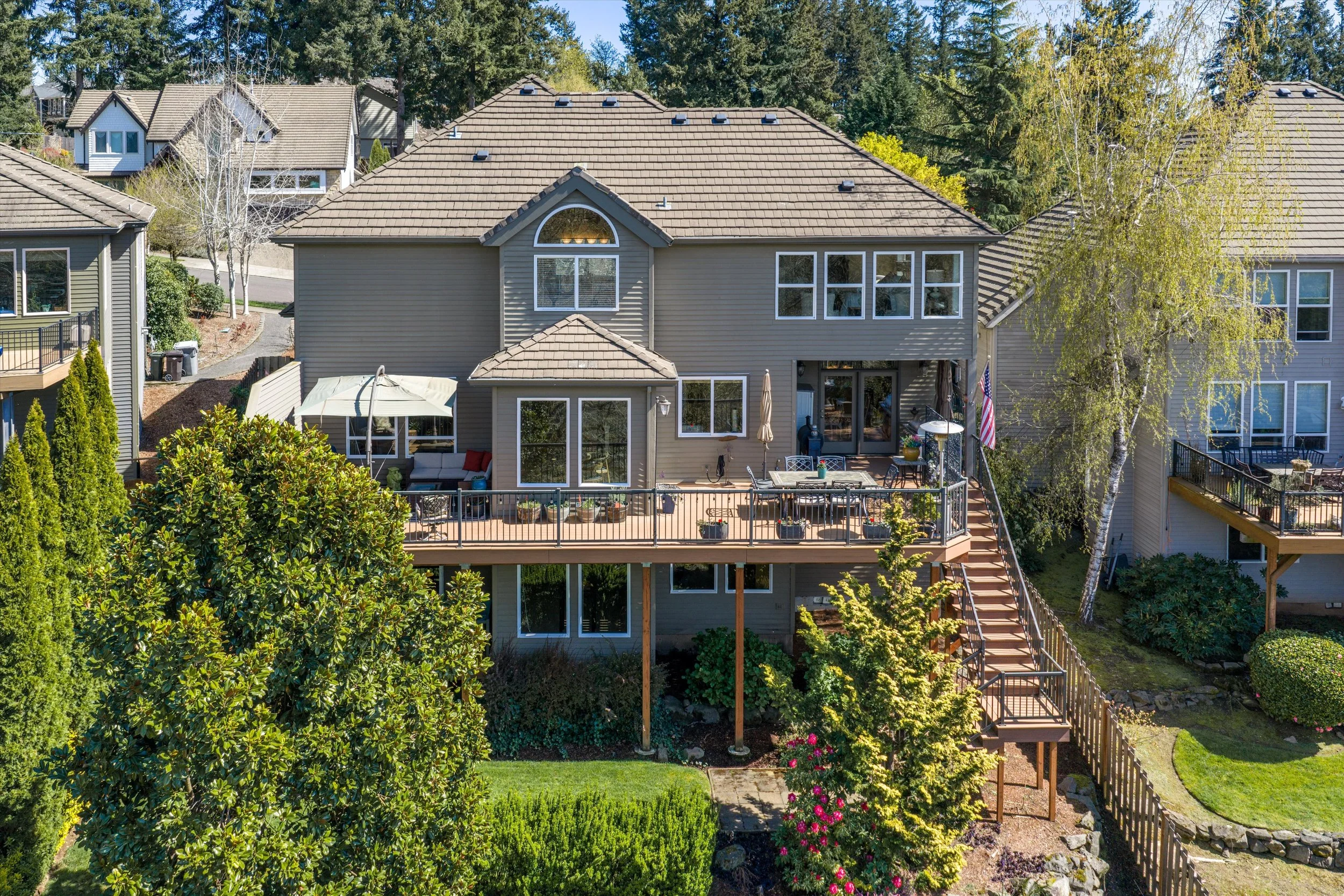
Most of the homes we shoot up here are working against three things at once: elevation, canopy, and contrast. The house sits on a slope, so the front door, the street, and the backyard are often on three different levels. Mature trees filter the daylight into a soft, shifting green that looks beautiful in person and muddy in a careless photo. And the best feature — that skyline or valley view — is usually the brightest thing in the frame while the room around it sits in shade.
Good media for these homes does two jobs. It shows the architecture and flow the way a buyer would experience it, and it holds the view without blowing it out or letting the interior go dark. We light and process our media so interiors read the way the room actually feels while the windows still show what's out there. On a hillside home, that balance is the whole game. Get it right and the listing feels like the place; get it wrong and you've hidden the exact thing that justifies the price.
When to Go Big on a West Hills Listing
Not every home up here needs the full kit. But several situations genuinely reward it.
1. The view is the headline
If a buyer is paying for the outlook, the media has to deliver it. That means shooting the view windows and decks at the time of day they look their best, and often adding twilight frames when the city lights come alive. Research on buyer behavior is consistent here: viewers spend more time on the very first exterior or hero image than on almost anything else in a listing. When the hero is a skyline view, it earns its place.
2. The lot and setting need context
West Hills parcels can be deceptive from the ground. A private drive, a wooded quarter-acre, proximity to Forest Park trailheads, or a rooftop's relationship to the ridgeline simply doesn't read at eye level. Drone frames answer the question buyers are actually asking: where does this sit, and what's around it? Industry data has long shown aerial imagery draws more engagement, and on a hillside property it's often the only way to make the setting legible.
3. The architecture wants motion
A lot of these homes were built to be moved through — split levels, a stair that opens to a view, a daylight basement that steps down to a garden. Stills can flatten that. A cinematic video tour, or even a short vertical clip for social, carries the sense of descent and reveal that makes hillside homes feel special. Listings with video consistently pull more inquiries, and buyers relocating from out of the area lean on it heavily.
4. The buyer pool is remote or busy
Plenty of West Hills buyers are moving from California, Seattle, or overseas, house-hunting on a screen weeks before they land. A 3D tour and an accurate floor plan let them walk the levels and understand the layout before they ever book a showing. For a home where the plan is genuinely three-dimensional, that clarity does real work.
5. The season is on your side
Right now, in mid-summer, the gardens are full, the light lasts until nine, and the firs frame the view instead of dripping on the lens. Summer is a gift for hillside media. It's worth booking while the setting is at its peak rather than waiting until the canopy thins and the sky goes flat.
When to Keep It Simple
More media is not always better, and we'll tell you when a lighter touch is the smarter call.
1. The view is modest
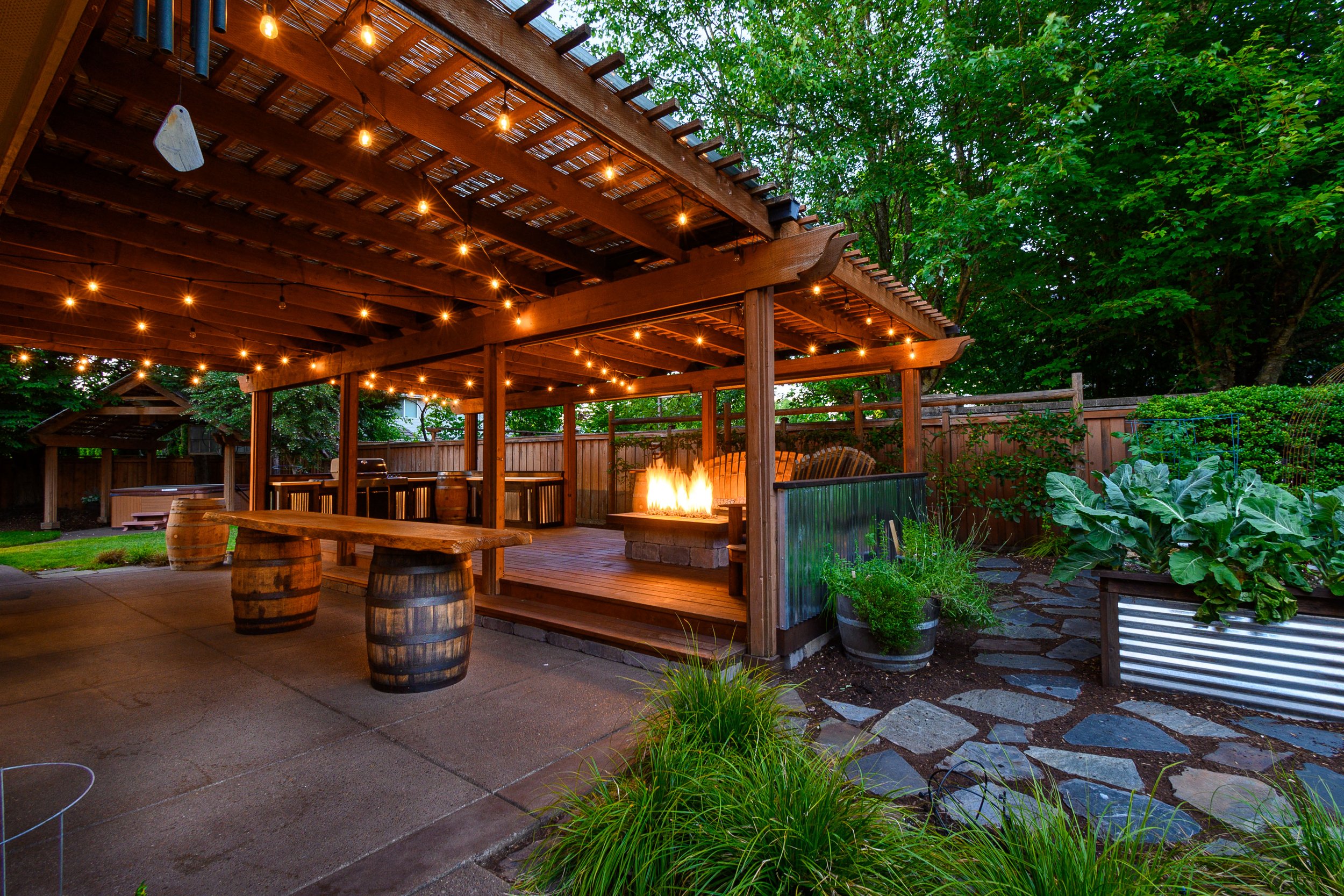
Some West Hills homes are lovely but tucked into the trees with no real outlook. That's fine — cozy and private sells too. In that case we lean into the light, the woodwork, and the sense of retreat rather than manufacturing a skyline moment that isn't there.
2. The price point doesn't support the full stack
A well-shot photography set with thoughtful drone coverage carries most listings beautifully. Twilight, cinematic video, and a full 3D tour are additive, not mandatory. On a more modest home we'd rather put the budget where it moves the needle than pile on services for their own sake.
3. The timeline is tight
Twilight shoots and video need a window — a clear evening, a staged home, a little runway. If a listing has to go live in two days, a strong daytime photography set with drone is the pragmatic choice, and we can always add twilight or video in a second pass if the home lingers or the agent wants to relaunch.
4. The home shows better than it photographs "big"
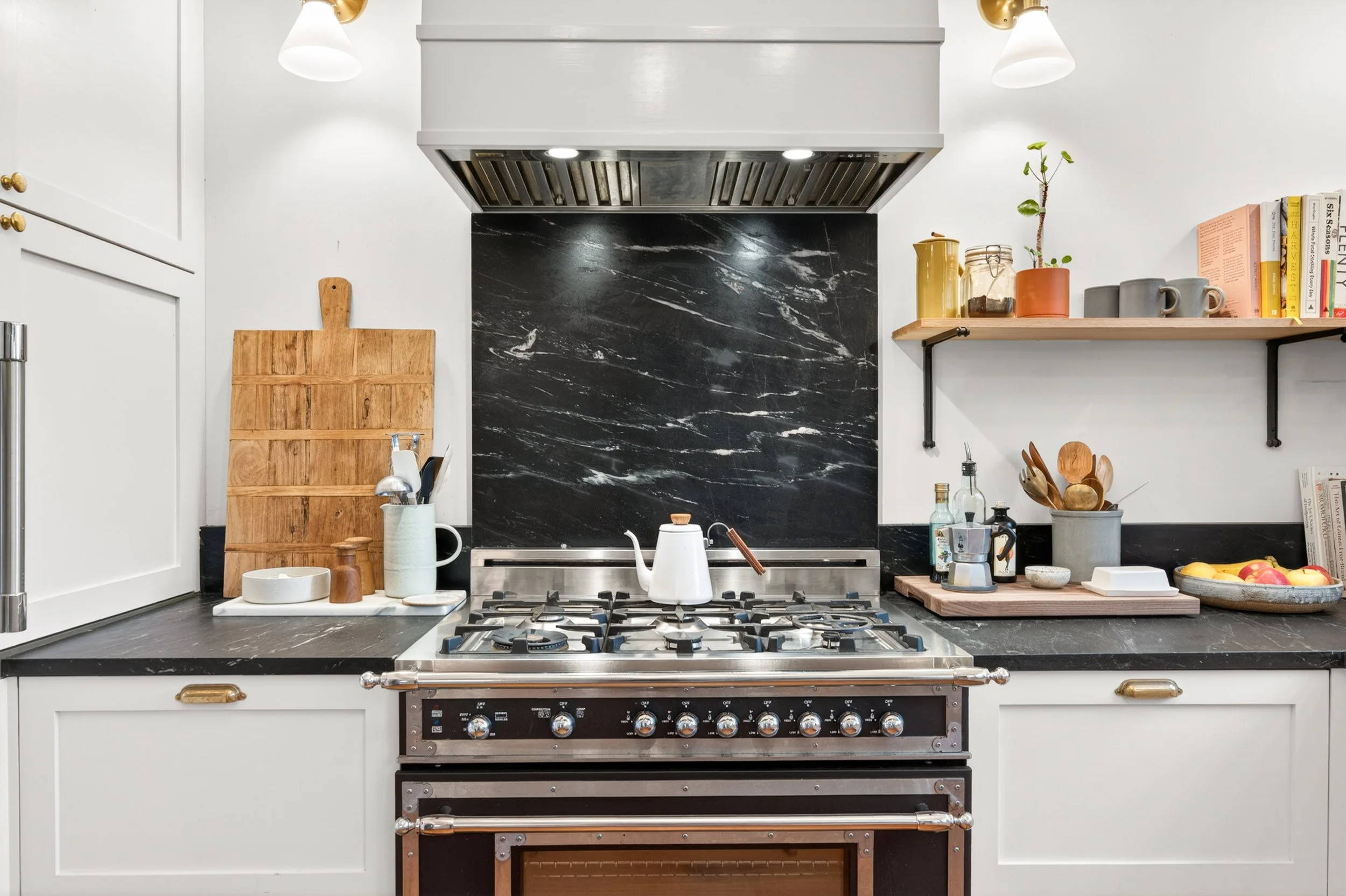
A few homes are all about intimacy — a reading nook under the eaves, a kitchen that catches morning light. Those reward close, detail-driven photography more than sweeping aerials. We shoot both wide and detail frames, but the mix shifts toward the details when that's where the charm lives.
The Strategic Question to Ask
Before you book, the useful question isn't "how much media can I get?" It's this:
"What is a buyer actually paying for in this specific house, and does the media make that unmistakable?"
In the West Hills, the answer is usually some combination of view, setting, and architecture that a flat listing photo can't fully carry. If the outlook is the story, protect it with the right light and a twilight frame or two. If the setting is the story, get the drone up. If the flow is the story, put it in motion. Match the media to what the home is really selling, and every dollar has a job. That's the conversation we like to have with agents before the shoot — a quick call to look at the home, the view, and the buyer, and decide what's worth it.
Final Thoughts
The West Hills reward patience and the right light. These are homes with genuine architectural interest and views that people cross state lines for, and they deserve media that keeps up. The mistake we see most often isn't spending too much — it's spending evenly, treating a hillside view home like any other listing and letting its best feature disappear into a bright window or a dark room.
You don't need everything on every home. You need the pieces that carry this home. Sometimes that's a clean photography set with a couple of aerials. Sometimes it's the full run — photography, drone, twilight, a cinematic tour, and a 3D walkthrough for the buyers flying in.
We work with agents across the metro on exactly this call. If you've got a West Hills listing coming up, we're happy to talk through the property and the view on a quick call and map the media to what the home is really selling.
