
Editorial Detail Photography for Portland Listings: When Close-Ups Add to the Story
Early September in Portland is all texture. Dry ornamental grasses catch the afternoon light, cedar siding warms at the edges, and cooler evenings make staged interiors feel especially inviting. A full-room photograph explains the space. A closer frame can show what gives that space its character.
That is the role of editorial detail photography. It adds a small, curated layer of close-up images to a complete gallery without asking those images to carry the whole property. Used with purpose, details support the architecture, finishes, staging, and agent marketing. Used without a plan, they can interrupt the sequence. Here is how we decide when close-ups belong.
What Editorial Detail Photography Actually Does
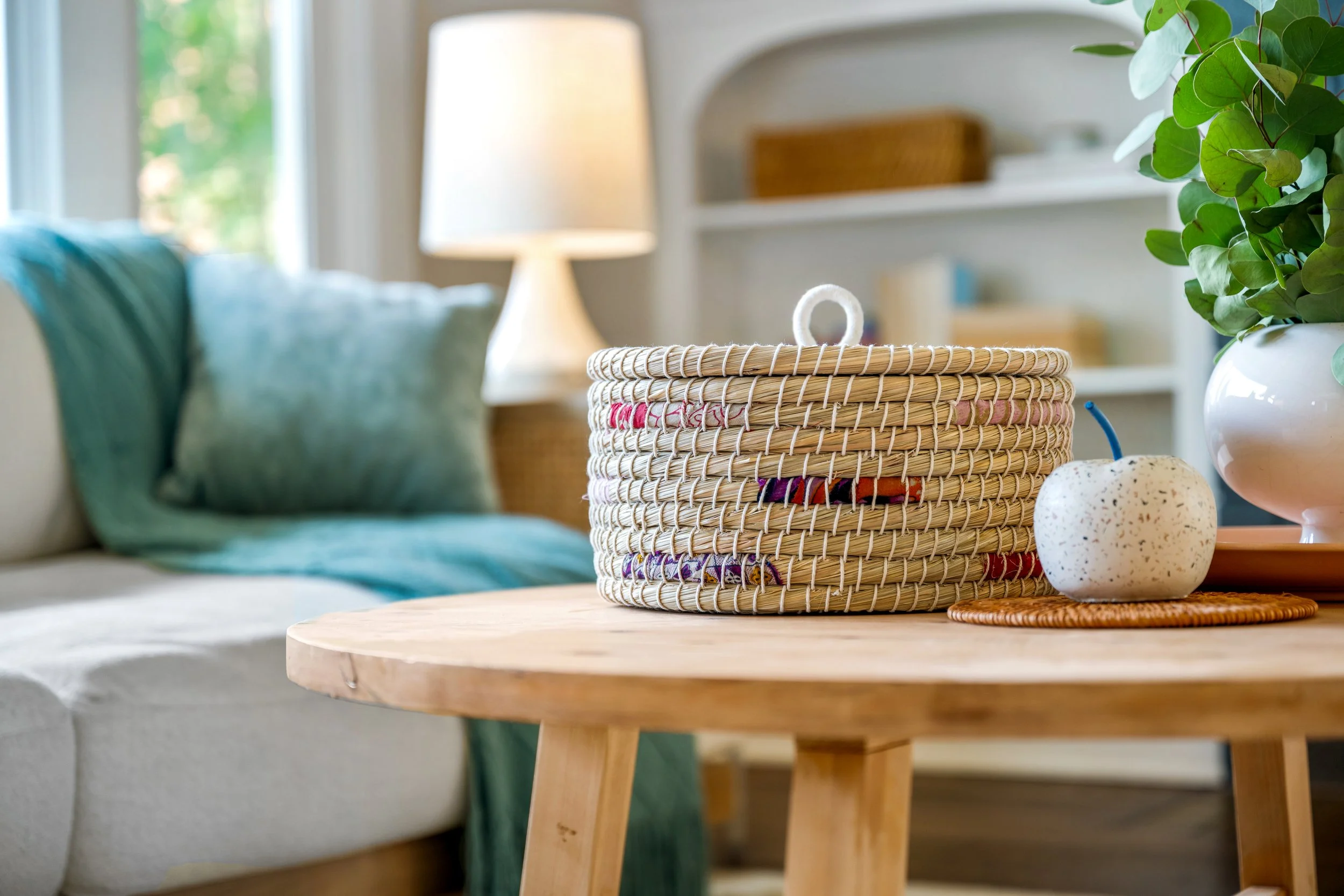
Editorial detail photography isolates materials and design decisions that are easy to miss in a wide frame: custom cabinetry, stone, tile, fixtures, built-in hardware, or a small staging moment. The composition is tighter and more atmosphere-driven, but the image still needs to be accurate and clearly connected to the home.
Our Editorial Detail Shots add-on includes a curated set of 5-10 close-up images delivered with the main photo gallery. They are edited to remain consistent with the complete interior and exterior coverage. We still make wide and mid-range photographs as needed; the detail set supplements rooms, circulation, exterior context, and the overall property.
A restored Craftsman in Irvington, a Northwest Contemporary in the West Hills, and a new South Waterfront condominium can all benefit from details, but not the same ones. The subject must be specific to the property, and the sequence should move naturally from the overall room to the feature that deserves a closer look.
When Editorial Detail Photography Is Worth It
1. The finishes are part of the listing story
If the marketing copy calls out handmade tile, millwork, stone, lighting, or restored period features, a detail image can support it. The wide photograph establishes where the feature lives. The close-up shows the craftsmanship or material transition. This is especially useful in older Portland homes where original details sit beside careful updates.
2. Staging creates a coherent visual layer
Good staging creates color, scale, texture, and small points of focus that help a gallery breathe. A restrained vignette near a window can become a useful transition between wider images. We treat those frames as part of the home presentation, not as décor photography for its own sake. The best details stay anchored to permanent features or staged moments that support the room.
3. The agent needs flexible marketing assets
Close-ups can work beyond the MLS gallery. They give an agent options for a property website, brochure cover, email banner, listing presentation, or social carousel. A vertical crop can pair naturally with a wider room image in a Reel or Story. The listing receives a complete gallery while the campaign gains a few visually distinct, property-specific assets.
4. Architecture reads through materials as well as rooms
Some homes communicate design through repetition: white oak carried from the kitchen into built-ins, blackened steel returning at the stair and fireplace, or terrazzo appearing across several surfaces. Wide photographs establish the plan; details connect those decisions. Near Forest Park, that may be wood, glass, and the tree canopy. In Laurelhurst, it may be original trim beside new finishes.
5. The gallery benefits from a change of pace
A gallery made entirely of wide room views can become visually repetitive, even when every image is necessary. One or two details placed after the corresponding room can create a deliberate pause. Placement matters: the opening images still need to establish the property, and close-ups work best beside the rooms they support rather than grouped at the front.

When Close-Up Images Need Restraint
1. The detail cannot be located in the wider gallery
A close-up loses value when someone cannot tell where it belongs. If a fixture, texture, or corner never appears in a wider frame, the image may feel disconnected. We either pair it with the room view or leave it out. Context turns a beautiful fragment into useful listing media.
2. The sequence still has basic questions to answer
Details should not take space away from essential coverage. A viewer still needs the kitchen, primary rooms, exterior, outdoor areas, and circulation. A floor plan or 3D tour may be the better addition when layout is unclear. Drone may be more useful when the lot or setting needs context. We solve the clearest information gap first.
3. A temporary object becomes the subject
A bowl, book, towel, or flower arrangement can support a composition, but it should not become the whole story unless the frame also relates to a lasting feature. We want the gallery to feel considered without implying that every styled object transfers with the property. Permanent materials, fixtures, and architecture are the stronger anchors.
The Strategic Question to Ask
“Which close-up would help someone understand the design after they have already seen the room?”
If the answer is a material, fixture, built-in, restored feature, or staging moment that supports the property story, a detail set may be worthwhile. If the answer is only that close-ups look polished, the gallery may not need them. The image should explain, connect, or give the campaign a useful new format.
We also ask where the image will live. The MLS rewards a clear property sequence. A property website or brochure can make more room for atmosphere. Social media may favor vertical or tightly cropped frames. One capture plan can support all three, but the edit and ordering should respect the destination.
Final Thoughts
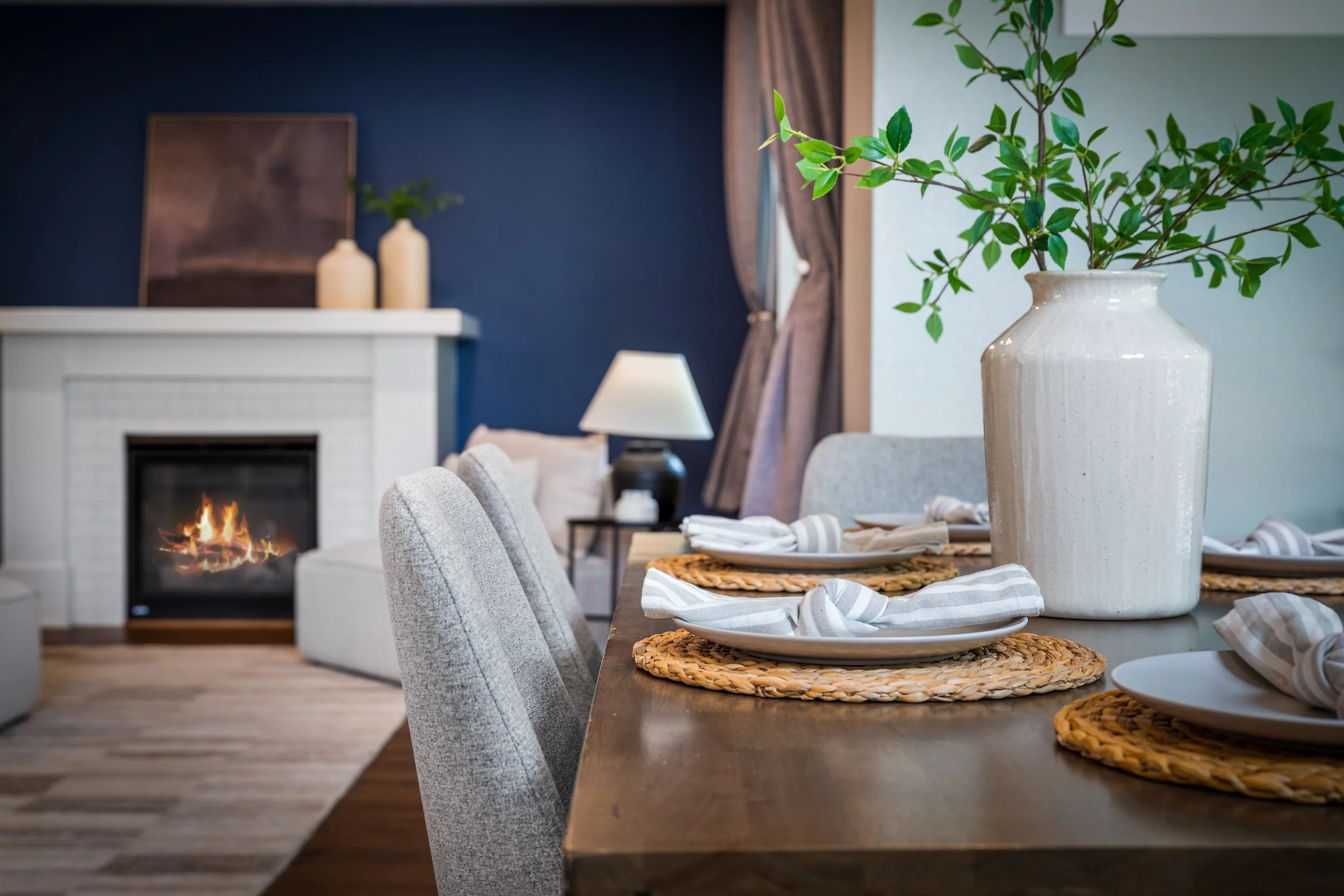
Portland homes often reveal themselves in layers. The first view may be a broad room with soft late-summer light. The second may be the built-in bench below the window, the tile wrapping a fireplace, or the joinery connecting two spaces. Editorial detail photography gives those decisions a place without asking them to replace the complete view.
For some listings, professional photography, exterior coverage, and a floor plan already tell the full story. For others, 5-10 close-ups add rhythm and give the agent more assets for web, print, and social marketing. The choice depends on whether the property has details that are both visible and meaningful.
If you have a Portland or Southwest Washington listing coming up, we are happy to talk through the media plan on a quick call. We can decide whether Editorial Detail Shots belong beside professional photography, drone, twilight, video, a floor plan, or a 3D tour. Current options and starting points are on the pricing page.
