
A listing campaign rarely lives in one place. Someone might first encounter the home in a social video, return to a full gallery, and later open the property website to look more closely. A printed brochure offers another introduction altogether.
Each format gives you a different amount of time, space, and context. Planning for those differences before the shoot helps the media feel connected throughout the campaign. The home remains recognizable, while each piece gives the viewer a reason to keep exploring.
For Portland listings, the most productive starting point is often the quality that makes this particular property distinctive: its architecture, its setting, or the way a few important spaces work together.
Choose the idea that connects the campaign
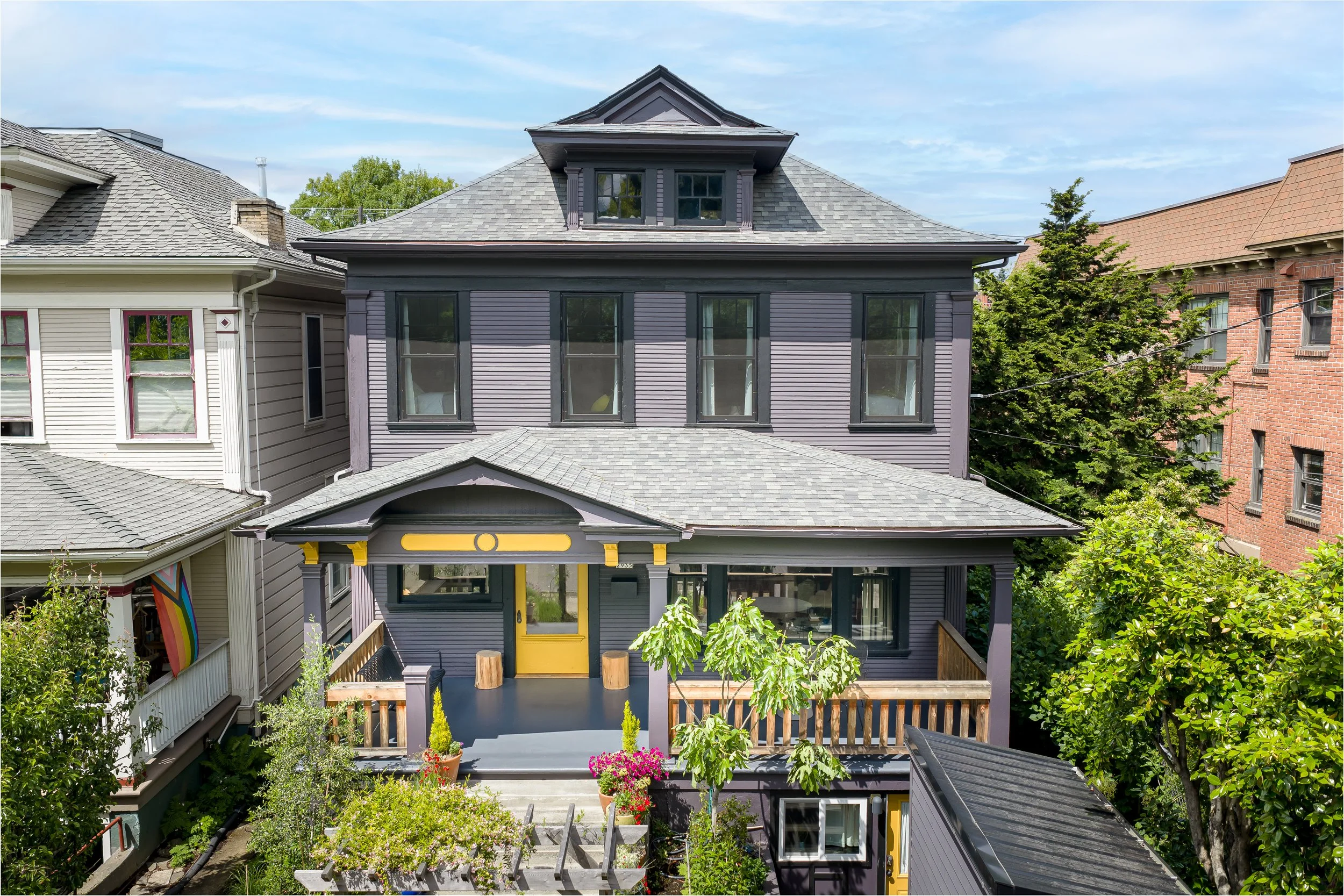
A central idea gives the coverage direction. “A hillside home with a view from the rooms you use every day” is more specific than “a home with great views.” It suggests photographs that connect the outlook to the living spaces, video that reveals that relationship, and a brochure image that can hold both the room and its setting.
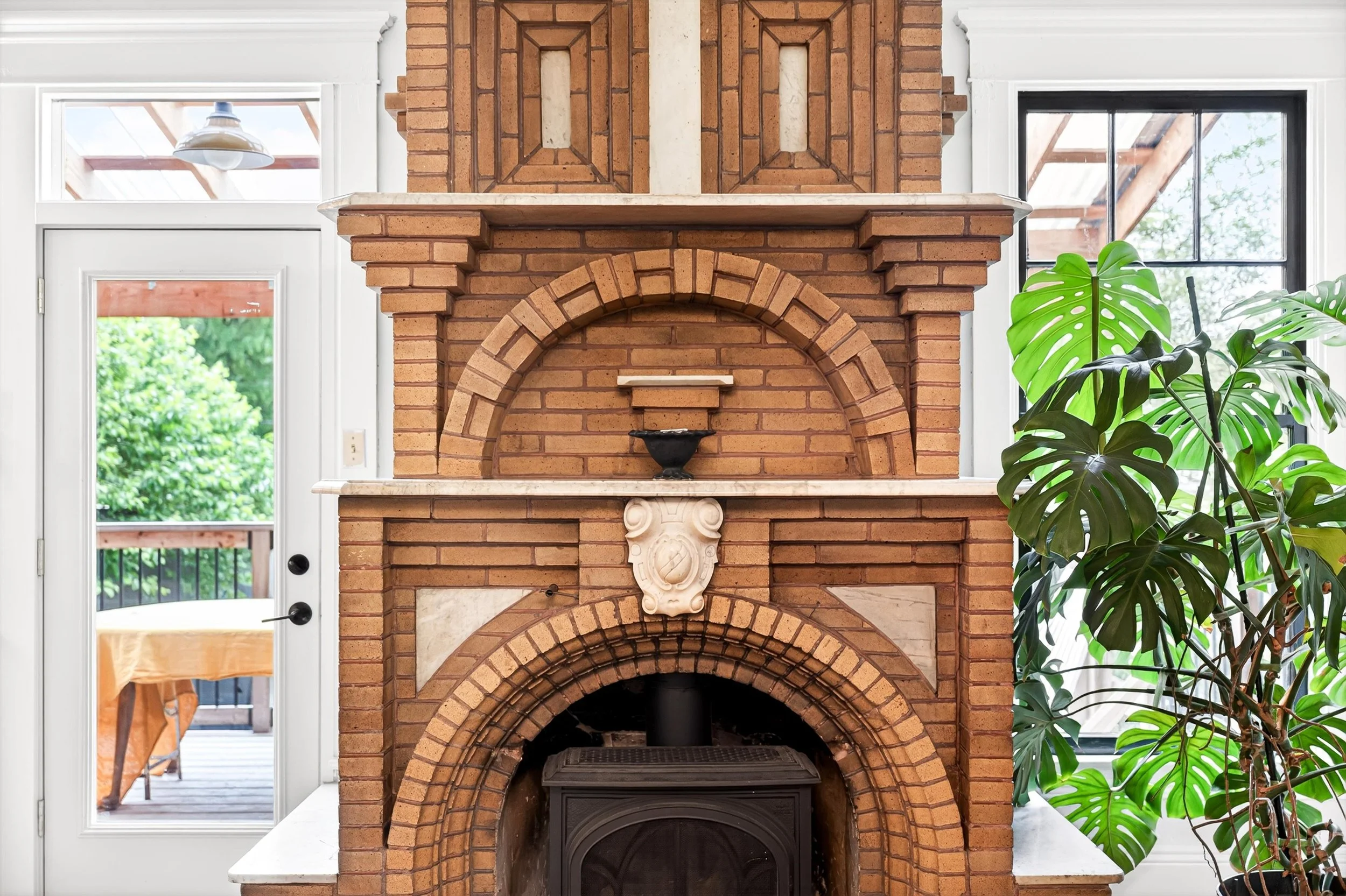
The same thinking can apply to a character home on Portland's eastside. If the appeal is the combination of original woodwork and generous gathering spaces, a room photograph might establish the architecture while a closer image gives the craftsmanship its moment. The campaign can keep returning to that relationship through different assets.
These are illustrative starting points. The strongest idea comes from the property in front of you and the features you want people to understand. A short sentence shared before the shoot can carry that intention into the photography and video plan.
Give the gallery depth and the opening image a clear job
The full gallery has room to explain a property. It can establish the main spaces, show the layout's useful connections, explore the details, and introduce the outdoors. A single opening image has a more concentrated task: give someone a compelling first impression that the rest of the media can develop.
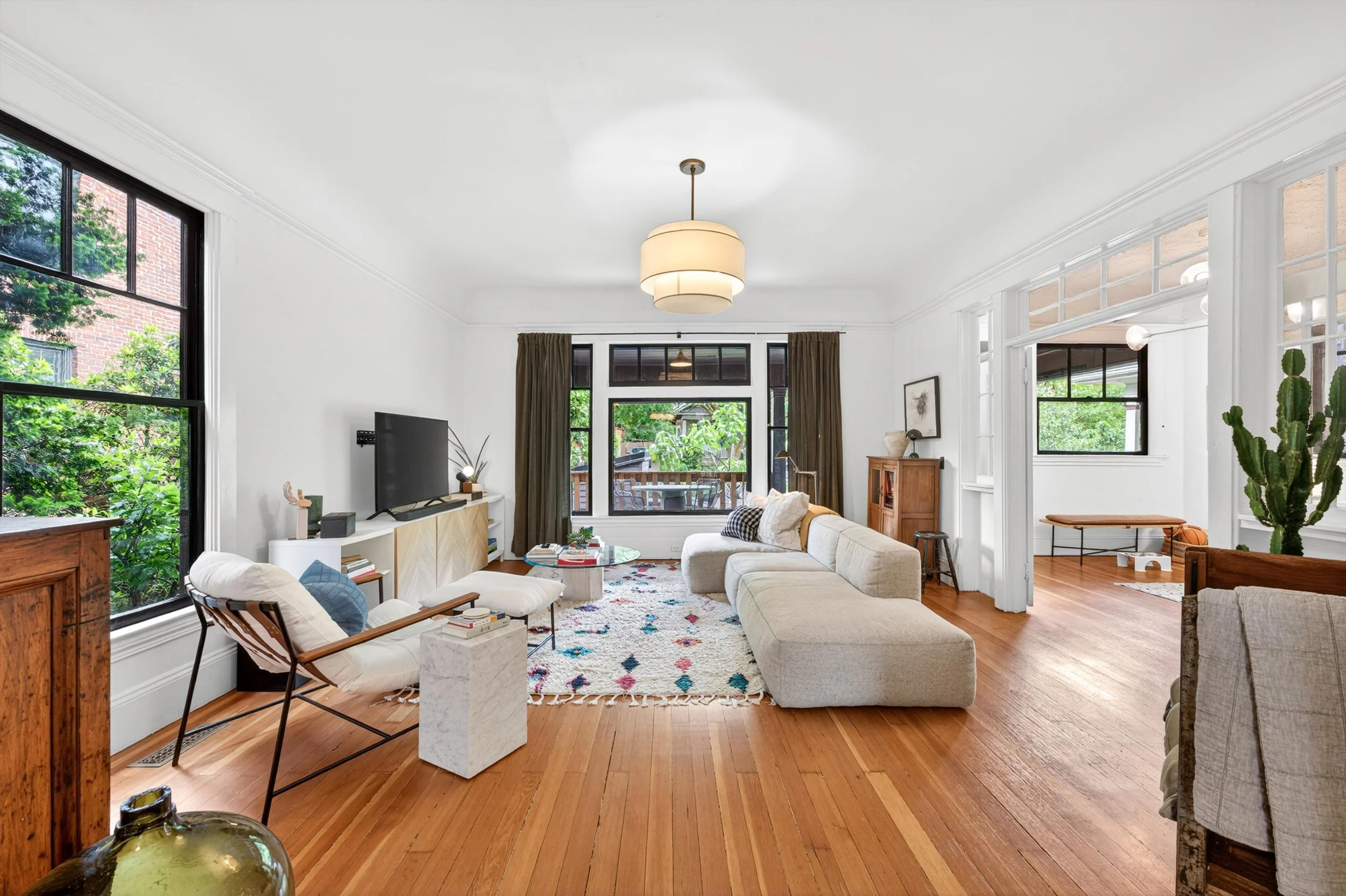
That distinction becomes useful when choosing images for different placements. A garden-facing living room may make an engaging property-website opening. A front elevation may give an email announcement immediate architectural context. An interior detail can introduce a follow-up social post once the campaign has already established the home.
For a Pearl District condo, for example, a skyline photograph and an interior photograph answer different questions. A composition that relates the windows, living space, and outlook can connect those ideas. Whether that image becomes the lead depends on the particular unit and the rest of its presentation.
The aim is a small group of purposeful lead images, supported by a gallery that rewards a closer look.
Plan for the frame each placement gives you
A website banner, a vertical social post, and a brochure cover ask different things of a photograph. A wide view that beautifully connects a fireplace, seating area, and large window may lose one of those elements in a narrow crop.
Identifying the important placements before the shoot gives you an opportunity to discuss them while coverage is being planned. If the window and its outlook are central to the campaign, that relationship deserves attention in the formats where you expect to use it. The same is true of a tall entry, a long covered terrace, or a room whose appeal depends on its width.
This conversation can stay simple: where will the lead image appear, what needs to remain in the frame, and will text sit over part of it? Those answers help the media support the design of the campaign. They also make image selection easier when the website, email, and print pieces are being assembled.
Let video develop a different part of the story
Movement can give a feature a sense of arrival. For a home approached through trees, the transition from the entry to an open outlook may be especially expressive. For a property with connected outdoor areas, a sequence can reveal how the spaces unfold.
A short social video can build around one such moment. A longer film has room to establish the setting and explore several relationships. An agent appearance adds the opportunity to introduce a feature in your own voice, with the property providing the visual context.
PDX Real Estate Media offers a property-focused highlight, an agent-featured social reel, and a cinematic listing film. A listing-reel add-on also adapts footage from the film into a shorter vertical edit. Our real estate video services page outlines the options. Sharing the intended use early helps us discuss the format that fits your campaign.
Give the launch room to unfold
A coherent campaign can introduce the main idea first and develop it over subsequent pieces. The first announcement might lead with the architecture and setting. A later post could explore a distinctive material, an outdoor living space, or a part of the layout that deserves more context.
That approach gives the available media a useful sequence. The assets share a visual direction, and each communication offers another way into the property. It also gives you more specific things to say than repeating the same broad description alongside a different photograph.
A brief before the shoot can bring the plan together: the home's central appeal, the spaces that support it, the principal marketing placements, and any video or agent appearances you want to discuss. It need not prescribe every frame. Its value is giving everyone a shared understanding of what the presentation should accomplish.
At PDX Real Estate Media, our photography and broader media services are shaped around the property and the agent's marketing goals. If you are preparing a Portland-area listing, tell us what makes the home distinctive and where you plan to introduce it. We can help connect those priorities to the coverage.
