
Capturing Character: How We Photograph Portland's Historic Homes
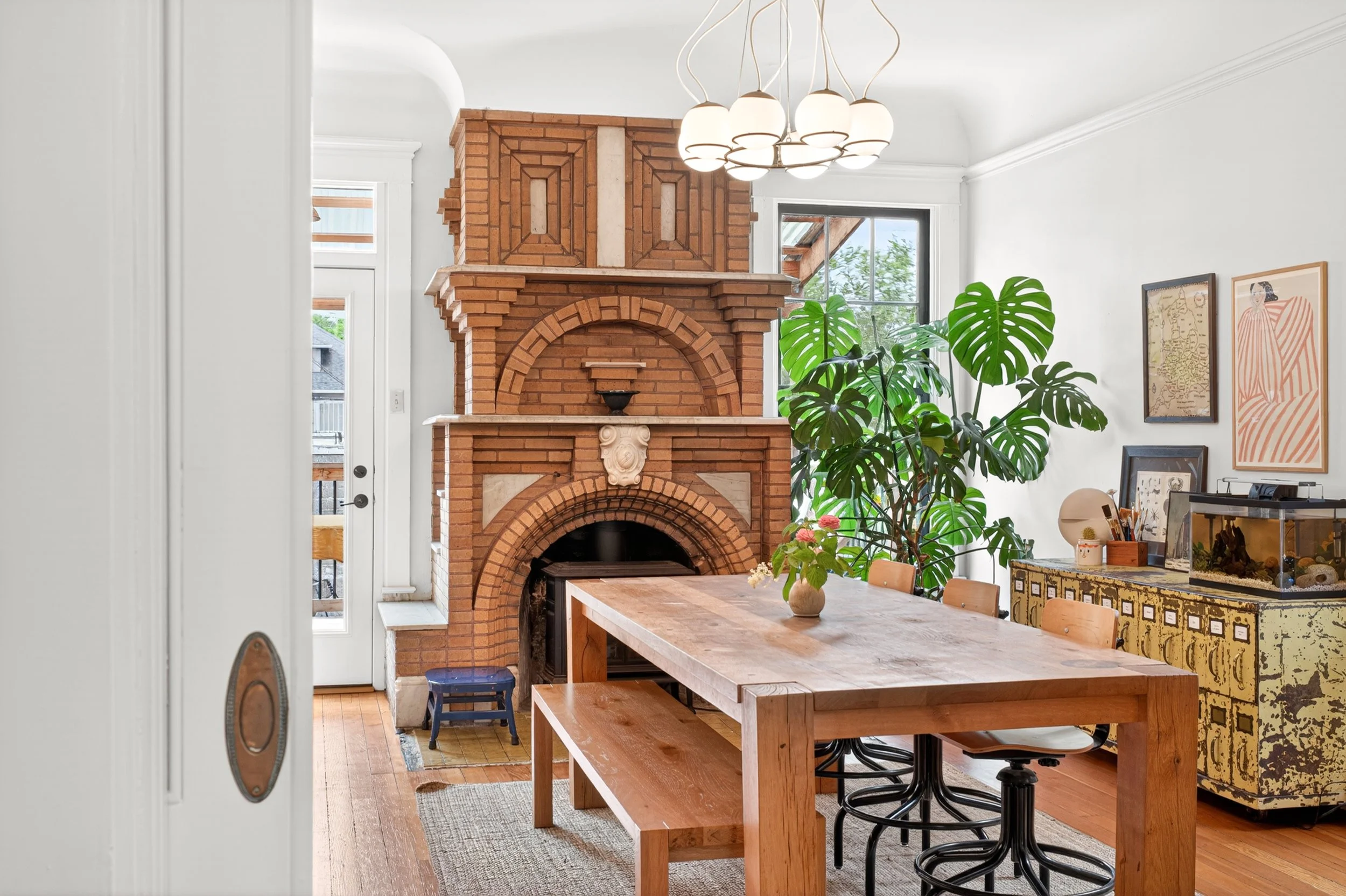
There's a difference between photographing a home and photographing what makes a home worth buying.
In most listings, the job is straightforward: clean angles, balanced light, wide shots that give buyers a sense of the space. That approach works. But it's designed for a certain kind of home.
Portland's character homes are a different assignment.
A 1908 Classic in Sunnyside. A Craftsman bungalow in Sellwood. A Victorian on Hawthorne with original pocket doors and coved ceilings that a new build couldn't replicate if it tried. These homes don't just have rooms — they have details. And in many cases, those details are exactly why a buyer falls in love before they've set foot inside.
The question is whether the listing media captures that, or just documents it.
What Character Homes Actually Have to Offer
Portland's eastside neighborhoods are dense with architectural history. Sunnyside, Hawthorne, Sellwood, Woodstock, Irvington, Alberta — these are areas where homes built in the early 1900s still have their original character largely intact.
What that looks like in practice:
Roman brick fireplaces, arched and carved, floor to ceiling
Original old-growth fir floors with a patina that can't be manufactured
Wide wood moldings and built-in cabinetry that frame a room the way modern construction doesn't
Coved ceilings, picture rails, and craftsman details that add texture at every turn
Pocket doors, transom windows, and original hardware that tell you something about when and how the home was built
Each of these features is a selling point. And each of them deserves more than a corner of a wide-angle shot.
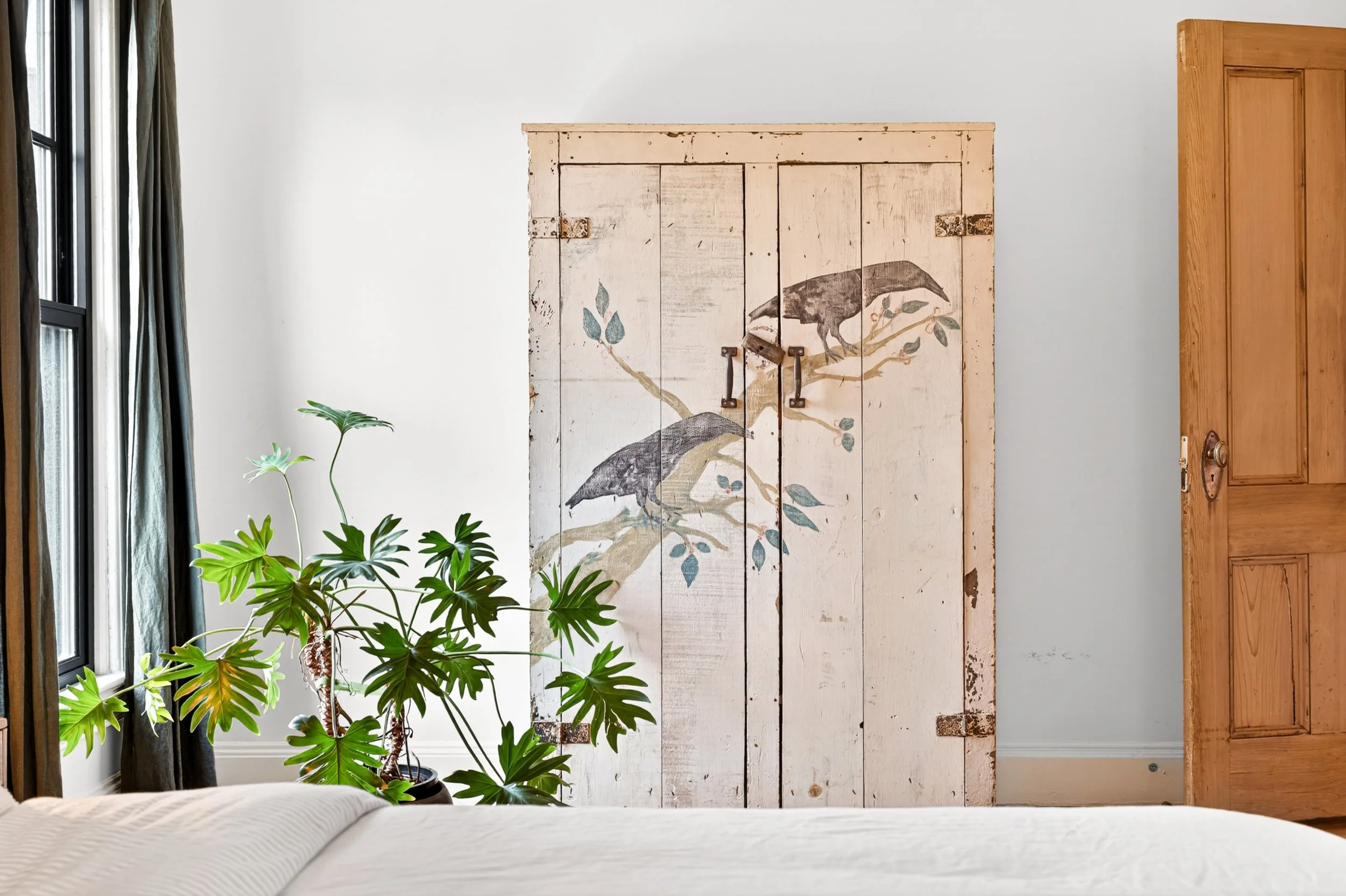
The Problem with Standard Listing Photography on Historic Homes
Standard listing photography is optimized for coverage. Wide angles, consistent lighting, a predictable sequence of rooms. That approach gets buyers oriented — they understand the layout, the size, the flow.
What it often misses is character.
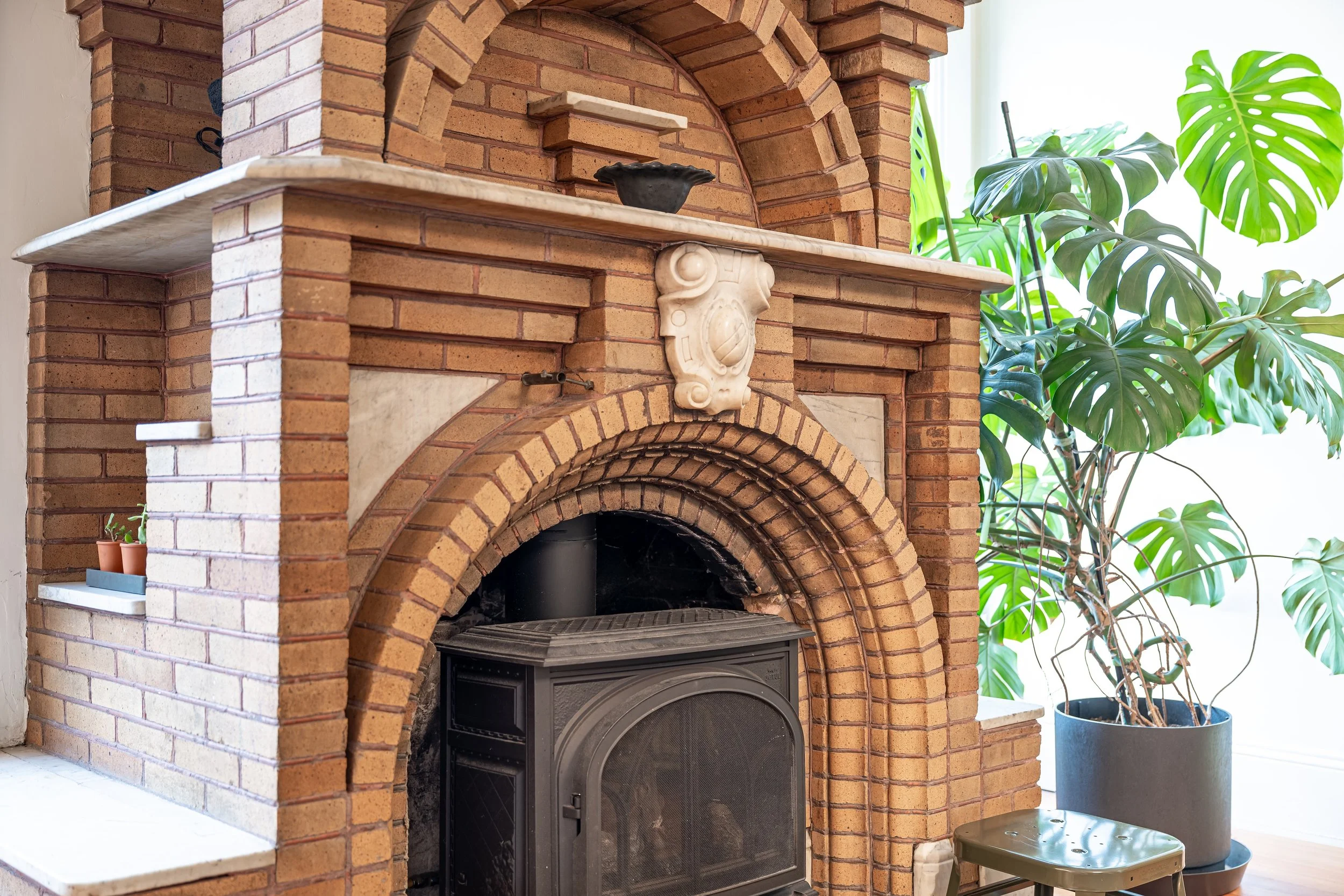
A wide-angle shot of a dining room will include the fireplace. But it won't show you the way the carved brickwork catches the light, or the scale of the arch relative to the room, or the kind of craftsmanship that simply doesn't exist in new construction. It's in the frame, but it isn't seen.
That's the gap detail photography fills.
Slowing Down: What Detail Photography Looks Like
On a character home, our approach changes.
We're still capturing the full listing — every room, every angle buyers need to orient themselves. But alongside that, we're identifying the features that are actually doing the selling work and giving them their own moment.
That might mean:
A dedicated series of shots on a fireplace that's the centerpiece of the main living area
Close framing on original built-ins that would be lost in a room-wide angle
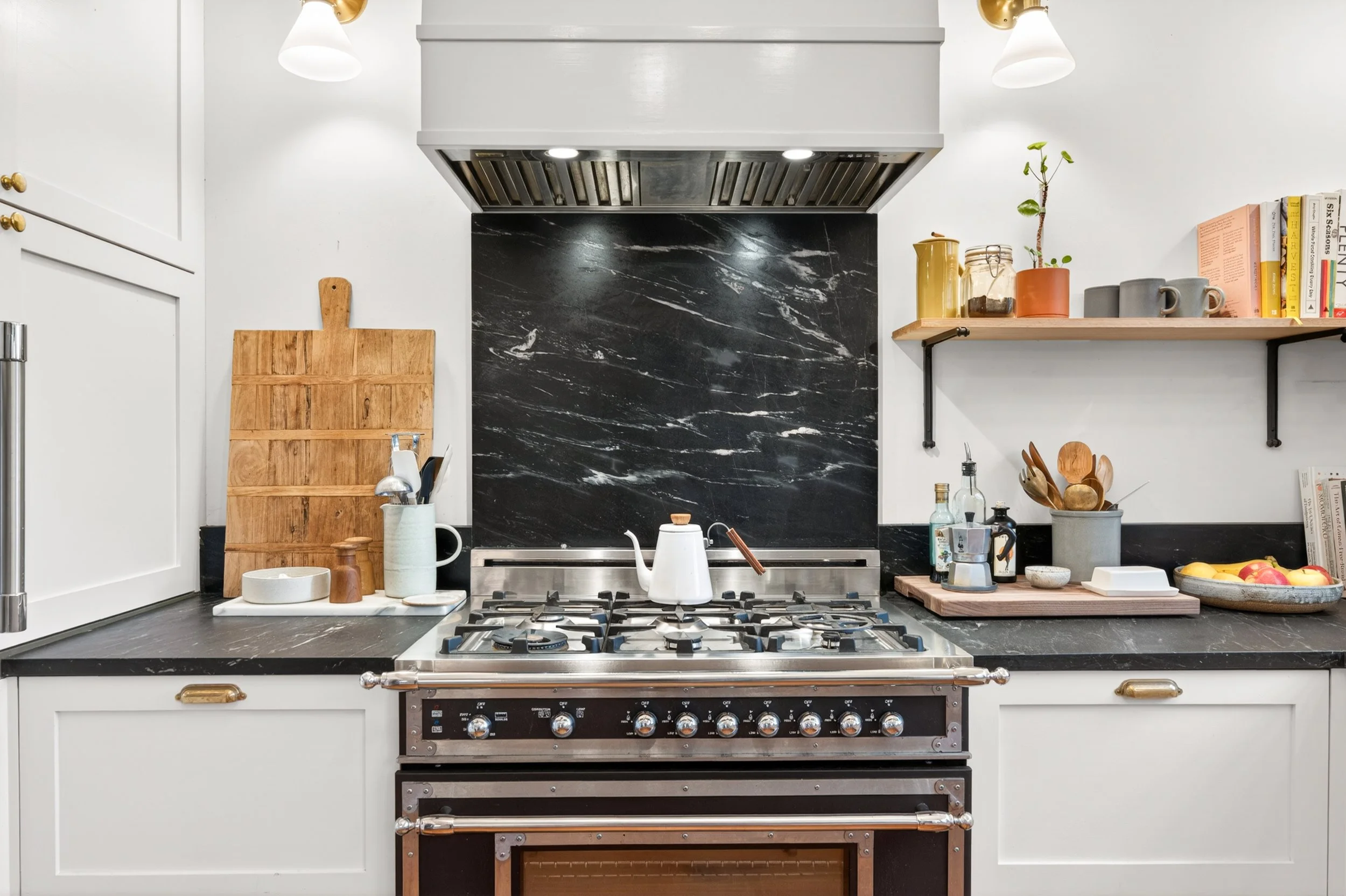
Detail work on hardware, moldings, or floor inlay that signals quality to a buyer who knows what they're looking at
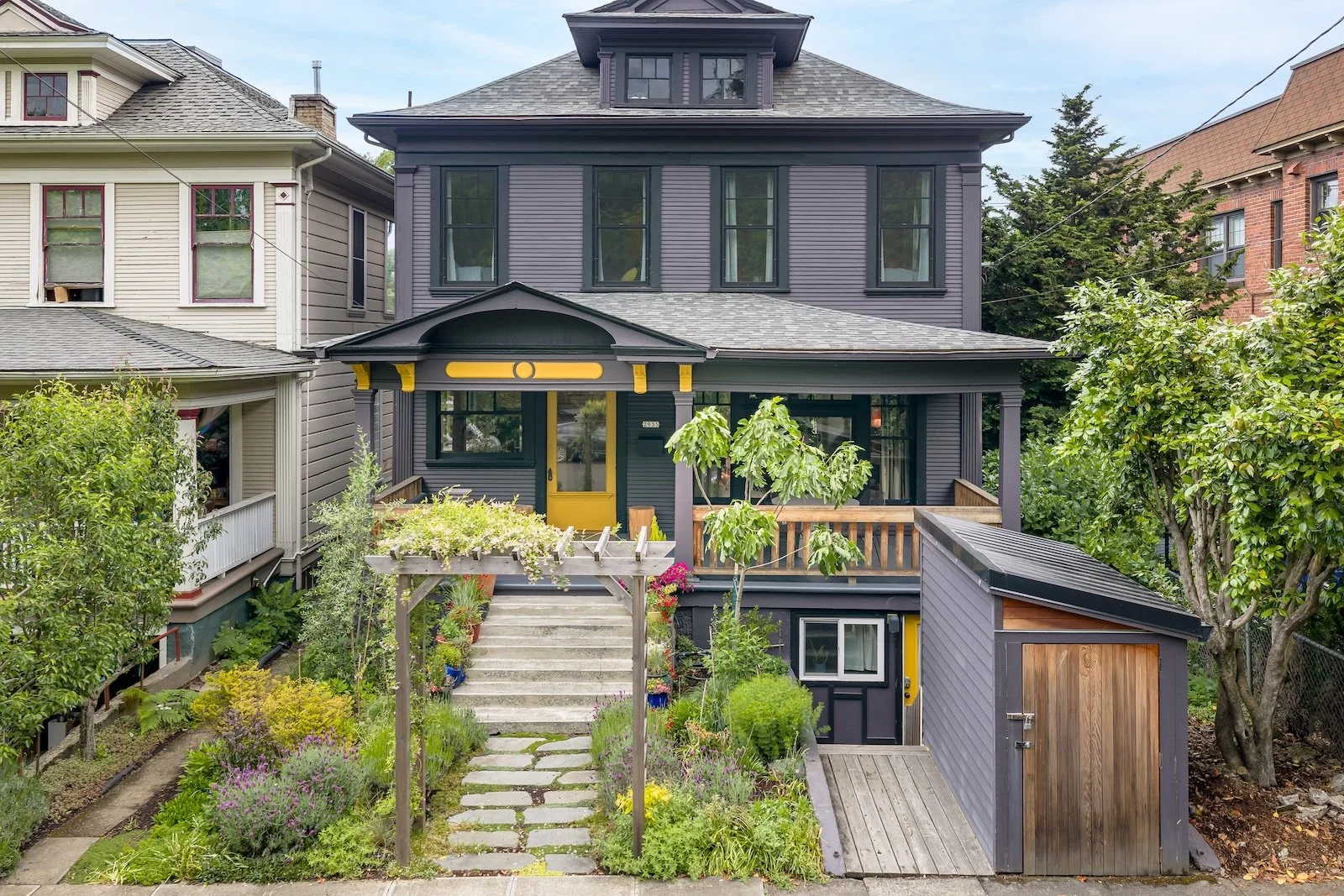
Exterior architectural details — corbels, porch columns, original windows — that establish the home's character before a buyer steps inside
These aren't decorative additions to the gallery. They're often the images that stop the scroll.
When Video Matches the Home's Personality
Detail photography is one part of how we approach character homes. Video is another.
A generic walkthrough — steady movement, neutral pacing, room to room — works fine on a standard listing. On a home with real architectural character, it can feel like a mismatch. The home has energy and personality, and the media should reflect that.
On character home shoots, we approach cinematic video the same way we approach the still photography: with the home's specific identity in mind. That means pacing that lets details breathe, framing that treats architectural moments as subjects rather than backgrounds, and a final edit that feels like it belongs to this home rather than any home.
When the photography and video feel cohesive and matched to the property, the listing as a whole reads differently. It signals that the home was taken seriously — and buyers notice that.
Portland's Eastside Is Built for This
The eastside is, in many ways, Portland's best argument for character home photography done right.
Sunnyside, Hawthorne, Sellwood, Woodstock, Richmond, Irvington, Alberta — these neighborhoods have block after block of homes where the age is the asset. Buyers who are drawn to these areas aren't just looking for square footage. They're looking for a specific feeling: warmth, craft, history, details that reward a closer look.
The listing media should speak that language.
A buyer scrolling Zillow on a Tuesday night, deciding whether to schedule a showing, is making a split-second judgment based on the first few photos. If those photos communicate the character of the home — not just the layout — that buyer is more likely to show up already sold on the feeling of it.
That's what thoughtful detail photography does for a character listing. It closes the gap between what the home is and what a buyer sees before they arrive.
Final Thoughts
Not every home needs the same approach. But Portland's historic homes — the ones where the original details are still intact, where the craftsmanship is genuinely part of the value — deserve media that treats them accordingly.
Slowing down, identifying what actually makes the home worth buying, and building the gallery around those moments: that's the difference between documentation and marketing.
If you have a character listing coming up in Sunnyside, Hawthorne, Sellwood, or anywhere else on the eastside where the details are part of the story — that's exactly the kind of work we're here for.
