
Portland Luxury Real Estate Photography: What a High-End Listing Actually Needs
The house sits on a ridge in the West Hills with a Douglas fir canopy dropping away below the deck and, on a clear morning, Mount Hood floating above the east side skyline like it was placed there for the listing. The sellers have lived here fifteen years. The asking price is $2.4 million. The agent calls us and says she wants everything — photos, twilight, drone, video, 3D tour, virtual staging on the bonus room.
That's a reasonable instinct. But "everything" isn't a media strategy. At the luxury tier, the question isn't whether to spend more — it's which investments actually move the needle.
What Luxury Listing Photography Actually Does
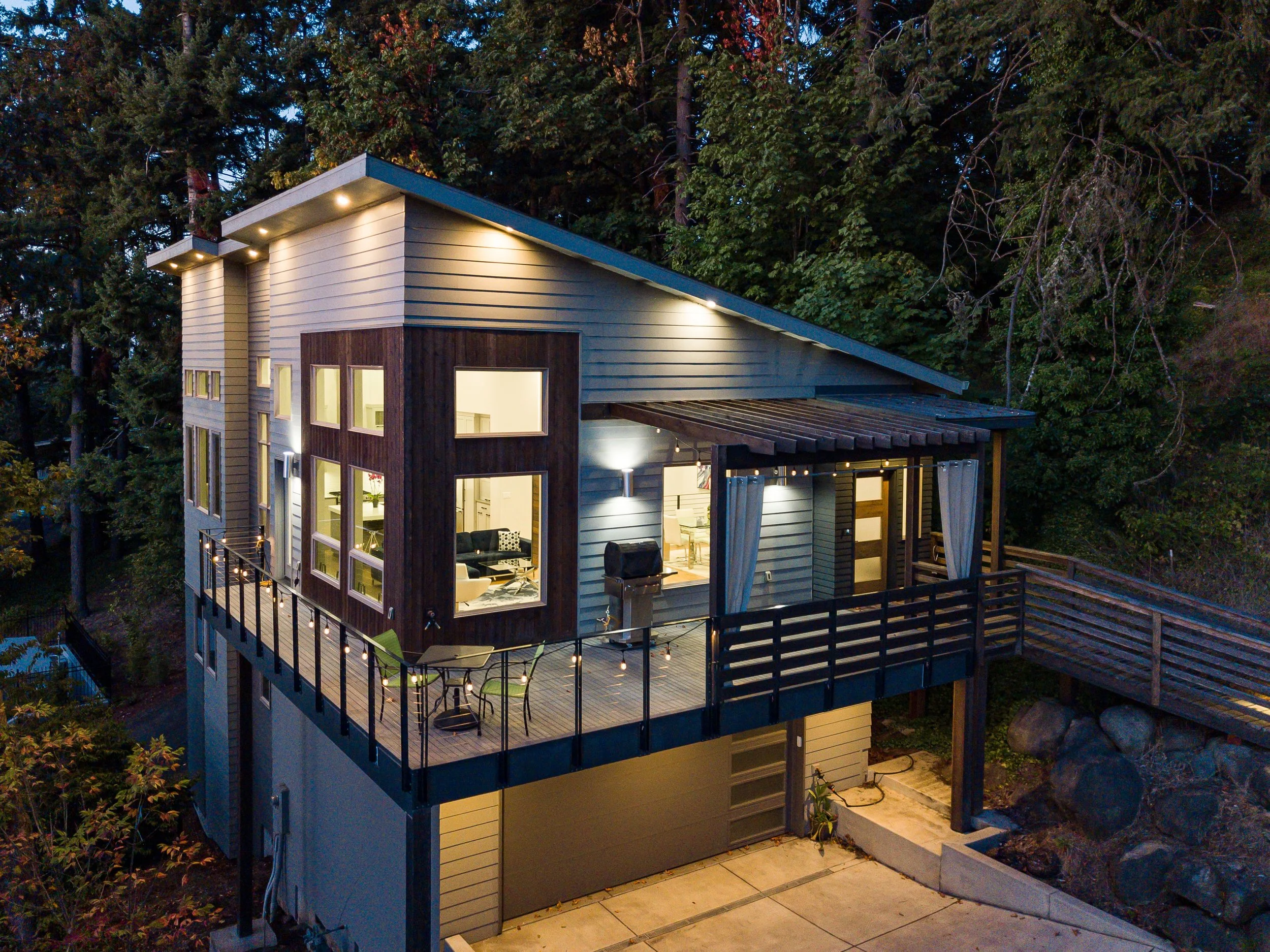
The baseline expectation shifts at the high end. A buyer considering a $2.4 million home in Dunthorpe or the West Hills is not impressed by professional photography. They expect it. What they're looking for is a level of craft that matches the property — images that feel considered, not just competent. Wide-angle shots that are accurate without feeling like a funhouse lens. Light that's real, or close to it.
Luxury buyers also look longer. They're studying finishes, views, ceiling heights, the relationship between indoor and outdoor space. They're running through the listing two, three times before they ask their agent to schedule a showing. The media isn't just generating a click — it's doing a job that used to happen in person during a first walkthrough.
That's a higher standard, and not every media add-on meets it.
When the Full Package Earns Its Place
1. The exterior has something worth showing at twilight
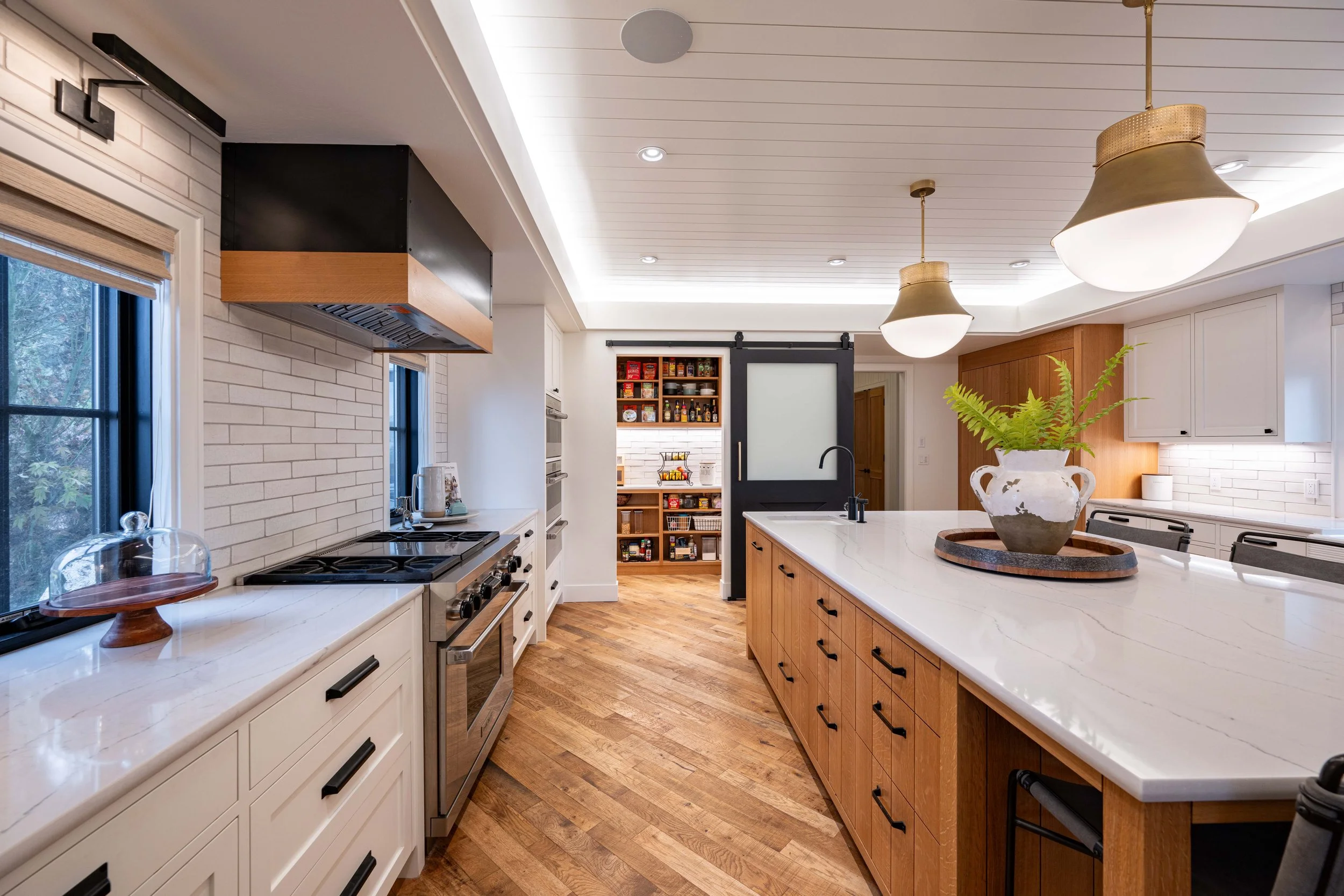
Twilight photography is the single most reliable upgrade on a luxury listing, but only when there's something to photograph. A home with architectural lighting, a pool, a significant entry, or a view that reads better against a deep blue sky than a flat afternoon overcast — that's where twilight pays. The West Hills at dusk, with downtown Portland and the Willamette below? The image sells itself. A modest split-level with coach lights and a two-car garage gets less out of it.
2. The land, setting, or approach is part of the story
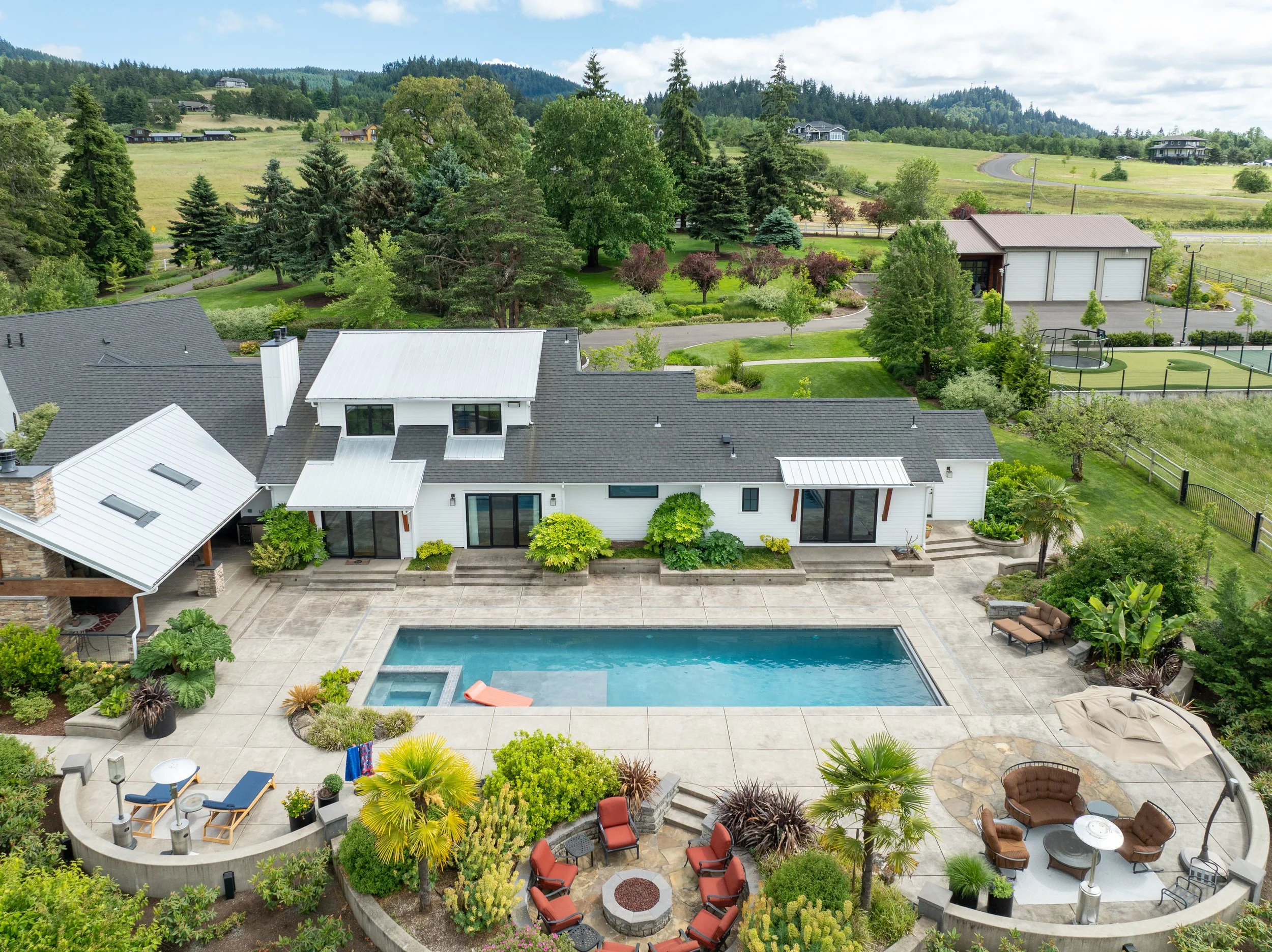
Drone is table stakes on any luxury property where the lot, the view corridor, or the neighborhood context is a selling point. A two-acre parcel in Lake Oswego with water frontage needs aerial coverage — ground-level photos can't communicate what the buyer is actually buying. Same for a Skyline Boulevard property where the ridgeline position is the whole point.
3. The home has a lifestyle the buyer needs to feel
Cinematic video earns its place when a property has a clear aspirational story — indoor-outdoor living, a chef's kitchen that flows to an entertaining patio, a primary suite with a soaking tub and a view. Short-form video optimized for Instagram and social can reach buyers who aren't actively searching Zillow but might be casually browsing their feed. For a property with genuine visual narrative, video is worth the investment.
4. Out-of-area buyers are in the mix
On luxury listings above roughly $1.5 million, a meaningful share of buyers are coming from outside the Portland metro — Bay Area relocators, Seattle buyers priced out of their market, buyers from out of state with a Pacific Northwest wish list. These buyers rely on media harder because they can't always pop by for a second look before they're serious. A 3D tour on a well-staged home lets them walk the floor plan from San Francisco. It doesn't replace the showing, but it earns it faster.
5. The staging is actually worth showcasing
Virtual staging on vacant rooms is useful when the spaces are architecturally interesting but visually inert when empty. A vacant great room with 14-foot ceilings and a wall of glass deserves to look like someone lives there.
When More Isn't Better
1. When the property doesn't support the media
A $1.8 million home in a desirable neighborhood isn't automatically a cinematic video property. If the floor plan is choppy, the outdoor space is minimal, and the views are of the neighbor's fence, producing a three-minute lifestyle video creates a mismatch between the media and the product. Buyers who come in expecting something they saw online and find something different don't convert. Accurate media, even for a luxury listing, serves everyone better.
2. When the staging isn't ready
If a listing at the high end isn't showing well on a walkthrough, it won't show well on camera. The media budget is better spent after the staging is right.
3. When the timeline is the limiting factor
A full luxury media package — photos, twilight, drone, video — takes time to shoot and time to edit. If the listing has a hard deadline, it's better to shoot what can be done well and come back for twilight before the first open house than to rush everything.
The Strategic Question to Ask
Before ordering media for a luxury listing, the question to run is: "What is the single thing about this property that a buyer can't see from the street?"
That's the answer. Maybe it's the view from the primary bedroom. Maybe it's the kitchen-to-patio flow. Maybe it's the scale of the great room or the way afternoon light moves through the living space in late summer. Whatever that thing is — that's the shot that sells the house, and every other piece of media should support it.
Luxury listing media works best when it's built around a story the property actually has to tell, not a checklist.
Final Thoughts
We've shot listings across every price tier in the Portland market — Beaverton ranches, Alameda craftsmen, Pearl condos, Dunthorpe estates. What we've learned is that it’s all about choosing a media package that serves the story.
On a genuine luxury property, the right package usually includes twilight, drone if the setting earns it, and photography that can carry the weight of a buyer's first serious look. Add-ons should be selected based on what’s unique about the property and what aligns with the narrative.
If you're listing a high-end property in Portland and you want to think through what the media should actually look like — not just what's available — we're happy to provide a recommendation before you commit to anything.
